
Understanding the signs of gambling addiction for effective prevention
Defining Gambling Addiction
Gambling addiction, often referred to as compulsive gambling, is a behavioral disorder characterized by an uncontrollable urge to gamble despite harmful consequences. Individuals suffering from this addiction may chase losses, leading to increased betting amounts and frequency. This compulsion can severely disrupt personal relationships, work, and overall quality of life. Understanding what constitutes gambling addiction is crucial in recognizing the signs and implementing effective preventive measures. For those interested, football betting offers insights into the risks that may come with wagering.

Many individuals might believe they can stop gambling anytime; however, the psychological aspects of this addiction make it difficult to quit. The thrill of winning can create a powerful cycle that reinforces the gambling behavior. This cycle, known as the “winning streak,” can lead to continuous gambling, neglecting responsibilities, and risking finances. Recognizing that gambling addiction is a serious mental health issue is essential for both the individuals affected and their loved ones.
Effective prevention strategies hinge on understanding the underlying signs of gambling addiction. Such signs can manifest in various ways, from emotional symptoms like anxiety and depression to physical symptoms like stress-related illnesses. By identifying these signs early on, individuals can seek help before their gambling habits escalate into a full-blown addiction.
Recognizing the Signs of Gambling Addiction
Early recognition of gambling addiction signs can be pivotal in preventing its escalation. Common indicators include preoccupation with gambling, where an individual constantly thinks about betting or plans future gambling activities. They may find themselves reliving past gambling experiences or fantasizing about winning big, which can distract them from daily responsibilities and relationships.
Another significant sign is the inability to control gambling behavior. An individual may attempt to cut back or quit gambling but finds themselves unable to do so. This lack of control is often accompanied by feelings of irritability, restlessness, or anxiety when they are not gambling. Recognizing these feelings can help individuals and their families address the problem early on.
Financial issues often arise as well, manifesting as borrowing money, selling possessions, or neglecting bills to fund gambling activities. When someone consistently lies about their gambling habits to friends and family or feels guilty about their gambling behavior, these are critical signs that should not be overlooked. Addressing these red flags can be the first step towards recovery.
The Impact of Gambling Addiction
The ramifications of gambling addiction extend beyond the individual, affecting families, friendships, and communities. The financial strain can lead to significant debt, bankruptcy, or criminal activity, as individuals may resort to illegal means to support their gambling habits. This financial distress can put tremendous pressure on family members, resulting in strained relationships and emotional turmoil.
Moreover, the psychological effects of gambling addiction can manifest as severe anxiety, depression, or even suicidal thoughts. This mental health aspect highlights the importance of comprehensive treatment that addresses both gambling behaviors and any co-occurring mental health issues. Individuals may experience isolation as they withdraw from social circles, further exacerbating feelings of loneliness and despair.
Furthermore, the stigma surrounding gambling addiction can deter individuals from seeking help. Many people might not recognize gambling addiction as a serious issue, viewing it as a personal failing rather than a treatable disorder. Raising awareness and understanding the broader impact of gambling addiction is vital for fostering a supportive environment where individuals feel safe to seek help.
Strategies for Prevention and Support
Preventing gambling addiction requires a multifaceted approach that includes education, support, and intervention. Educating individuals about the risks of gambling and encouraging responsible gambling practices can significantly reduce the likelihood of developing an addiction. Resources such as self-exclusion programs allow individuals to voluntarily ban themselves from gambling venues, providing an important tool for those at risk.
Support networks, including family and friends, play a crucial role in prevention. Open discussions about gambling habits can create a supportive environment where individuals feel comfortable sharing their struggles. Additionally, joining support groups like Gamblers Anonymous can provide individuals with a community of people who understand their challenges, offering emotional support and practical advice.
Incorporating self-assessment tools, such as quizzes to evaluate gambling behaviors, can help individuals recognize potential issues early. Regular check-ins on one’s gambling habits can foster awareness and encourage responsible behavior. Equipping people with coping strategies and promoting alternatives to gambling can also be effective in preventing addiction.
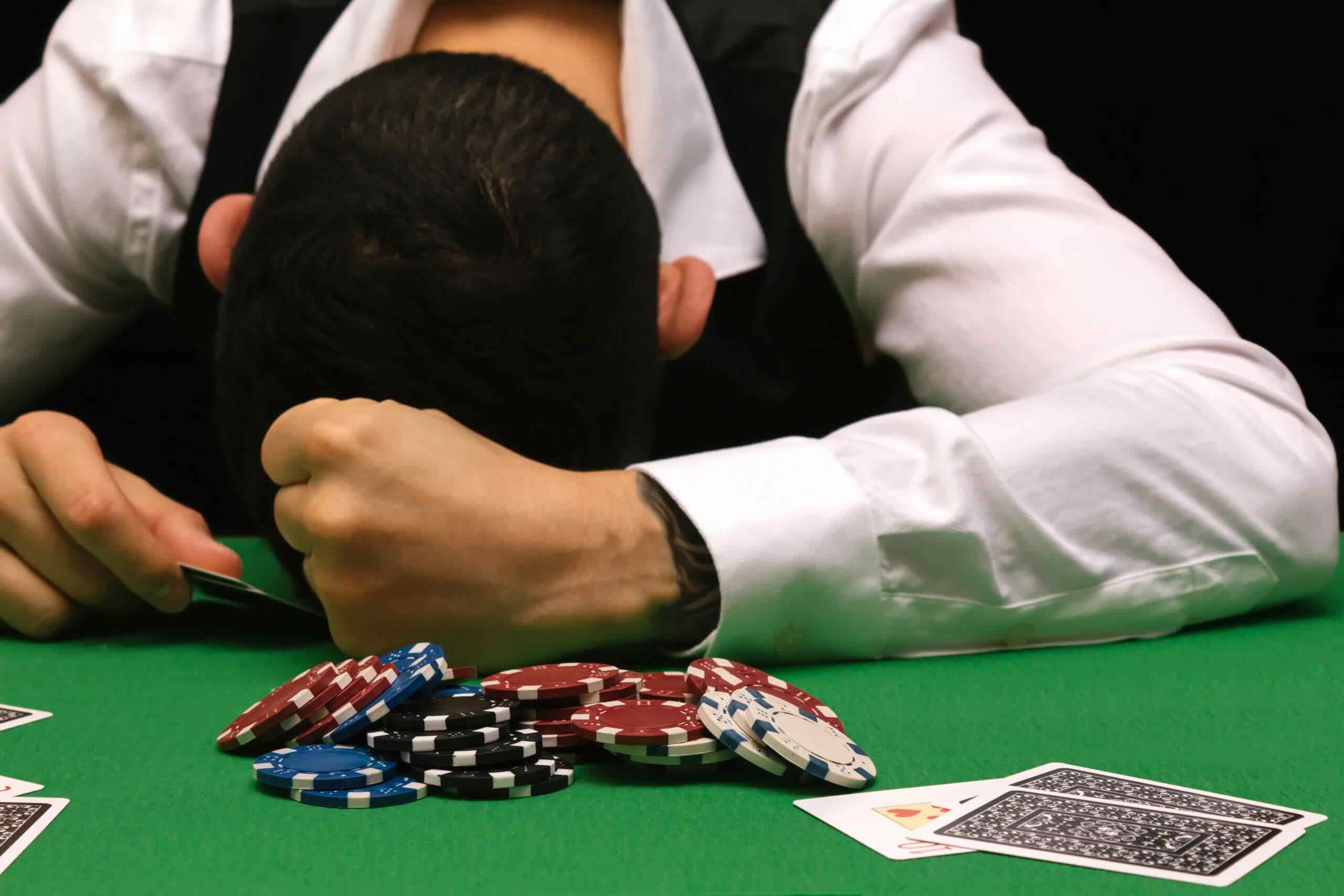
Your Resource for Gambling Awareness and Safety
At Football Betting UK, we are committed to providing comprehensive insights into responsible gambling practices. Our resources are designed to help individuals make informed decisions while enjoying betting activities safely. By emphasizing the importance of understanding gambling addiction, we aim to foster an environment that prioritizes well-being and responsible behavior.
We offer a range of tools and guides that detail how to recognize the signs of gambling addiction, tips for safer betting, and advice on seeking help. Our goal is to empower our users by equipping them with knowledge and resources to not only enhance their betting experience but also to navigate the potential pitfalls of gambling responsibly.
Join us in our mission to promote awareness and prevention of gambling addiction. By taking proactive steps and being informed, we can create a healthier betting community where individuals feel supported in their journey towards responsible gambling.