
The Thrill of Risk: Understanding the High-Stakes Mindset
High-stakes gamblers are often driven by the exhilarating rush that comes from taking significant risks. This thrill is not merely about the potential financial gain; it’s about the psychological high that accompanies each wager. For many, gambling transcends the act of playing; it becomes an experience that evokes intense emotional responses, especially when exploring various betting sites that offer unique opportunities. The feeling of adrenaline surging through their veins as they place a large bet can be intoxicating, leading to a desire for more frequent high-stakes encounters.
The high-stakes environment also creates a social dynamic that can enhance the experience. Gamblers thrive on competition, and being in a bustling casino surrounded by others who are equally invested amplifies their emotions. This social aspect can lead to a heightened sense of camaraderie among players, as they share in the victories and losses together. The excitement is further intensified by the atmosphere of luxury and exclusivity often found in high-stakes areas, drawing players deeper into the allure of gambling.
Moreover, the psychology of high-stakes gamblers is often intertwined with their personal narratives. Many individuals view gambling as a way to assert control over their lives, believing that their decisions at the betting table can lead to significant life changes. This mindset may stem from past experiences of financial instability or a desire to break free from mundane routines. The high-stakes environment becomes a canvas where they paint their aspirations and dreams, driving them to engage in increasingly risky behavior.
Cognitive biases play a critical role in shaping the behavior of high-stakes gamblers. One prevalent bias is the illusion of control, where gamblers believe they can influence the outcome of random games, such as roulette or slot machines. This misconception fosters a sense of empowerment, encouraging them to continue wagering in the hope of overcoming the odds. Even when evidence contradicts their beliefs, this bias can lead to persistent gambling behavior, as players often remember their wins more than their losses.
Another significant cognitive bias is the gambler’s fallacy, which leads some players to believe that past outcomes will influence future results. For example, if a particular number hasn’t come up in a game, a player may irrationally think it is “due” to appear. This belief can drive them to invest increasing amounts of money in the hope of cashing in on an anticipated win. These biases are compounded by stress and emotional turmoil, which can severely impair decision-making processes and lead to further risky behavior.

Additionally, confirmation bias influences the way high-stakes gamblers interpret their experiences. They may selectively focus on instances that validate their strategies while ignoring evidence that suggests they are losing money in the long run. This self-reinforcing cycle can create an illusion of skill where none exists, making it difficult for them to recognize when to walk away. Understanding these cognitive biases is key to grasping the psychological motivations that drive high-stakes gamblers to continue placing bets despite adverse outcomes.
The Emotional Rollercoaster of Winning and Losing
The emotional landscape of high-stakes gambling is akin to a rollercoaster ride, with peaks and valleys that can deeply affect a gambler’s psyche. Winning often elicits feelings of euphoria, boosting confidence and leading to a false sense of invincibility. This high can create a feedback loop, prompting individuals to chase further wins, sometimes leading them to place even riskier bets. This emotional spike plays a crucial role in their decision-making process, compelling them to overlook the inherent risks involved.
Conversely, the experience of losing can evoke a wide range of negative emotions, from frustration to despair. High-stakes gamblers may struggle with feelings of shame or guilt, especially if their gambling behavior has financial repercussions on their personal lives. The emotional toll of continuous losses can lead to depression or anxiety, further entrenching their need for escapism through gambling. Understanding this emotional dichotomy is essential for grasping why individuals remain entangled in the gambling cycle.
The desire to regain lost money often drives high-stakes gamblers to adopt irrational strategies in a bid to recover their losses. This phenomenon, sometimes referred to as chasing losses, leads players to make increasingly risky bets in hopes of a turnaround. Unfortunately, this behavior often exacerbates their situation, entrenching them deeper into a cycle of loss and emotional turmoil. Recognizing and addressing these emotional patterns is vital for those who want to break free from the grasp of high-stakes gambling.
The Influence of Environment and Social Factors
The environment in which high-stakes gambling occurs significantly influences a gambler’s behavior. Casinos often create a sensory overload designed to keep players engaged, from bright lights and ringing slot machines to free drinks and high-energy dealers. This carefully crafted atmosphere evokes excitement, encouraging gamblers to spend more time and money in pursuit of their next win. The ambiance is an essential factor in fostering the urge to gamble, as it stimulates the senses and heightens emotions.
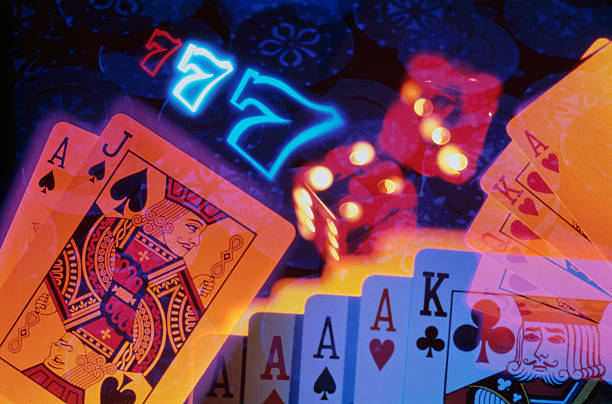
Social factors also play a pivotal role in shaping the behavior of high-stakes gamblers. Many gamblers are influenced by their peers, whether through direct encouragement or subtle social cues. The presence of other gamblers can create a bandwagon effect, motivating individuals to participate even when they may not have intended to. This social interaction can amplify the thrill of gambling but can also lead to accountability issues, making it harder for individuals to recognize the need for moderation in their gambling habits.
Furthermore, advertising and media portrayals of gambling can glamorize high-stakes betting, contributing to a culture that celebrates risk-taking. This portrayal often overlooks the potential consequences, leading many to underestimate the dangers associated with gambling. By analyzing the social and environmental influences on high-stakes gamblers, we can gain insights into the complex factors that drive their behavior, offering valuable lessons for understanding and potentially mitigating the risks involved.
Resources and Support for Gamblers
For those who find themselves struggling with high-stakes gambling, various resources and support networks are available. Many organizations offer counseling services that focus on behavior modification techniques to help individuals regain control over their gambling habits. These programs often emphasize understanding the underlying psychological factors that contribute to their gambling behavior, fostering healthier coping mechanisms.
Support groups also provide a platform for high-stakes gamblers to share their experiences, allowing them to connect with others facing similar challenges. The shared understanding and empathy offered in these settings can be invaluable, as individuals realize they are not alone in their struggles. Recovery often involves learning to recognize triggers associated with gambling and developing strategies to avoid them, a process that support networks facilitate.
Ultimately, awareness and education are key components in the journey towards healthier gambling habits. By understanding the psychological pitfalls and emotional complexities of high-stakes gambling, individuals can make more informed decisions about their behavior. Resources and support services offer a pathway toward recovery, fostering resilience and empowering individuals to take charge of their gambling habits.